Teenage anxiety | School avoidance (EBSA) | Neurodiversity support
Anxiety has been making the rules for long enough.
When anxiety starts deciding whether your teenager goes to school, sees their friends, leaves the house or even gets out of bed, life can become very small, very quickly.
And before you know it, the whole family is living around anxiety.
At Working Through Anxiety for Life (WTAFL), I work directly with young people experiencing anxiety, emotionally based school avoidance (EBSA), low confidence and difficulties navigating everyday life.
Through individual coaching and small, interactive online groups, I help teenagers understand their anxiety, recognise their triggers, challenge avoidance patterns and start taking realistic steps towards feeling more confident and in control.
Because this isn’t just about getting your child back into school.
It’s about helping them get back into life.
WTAFLWorking Through Anxiety For Life
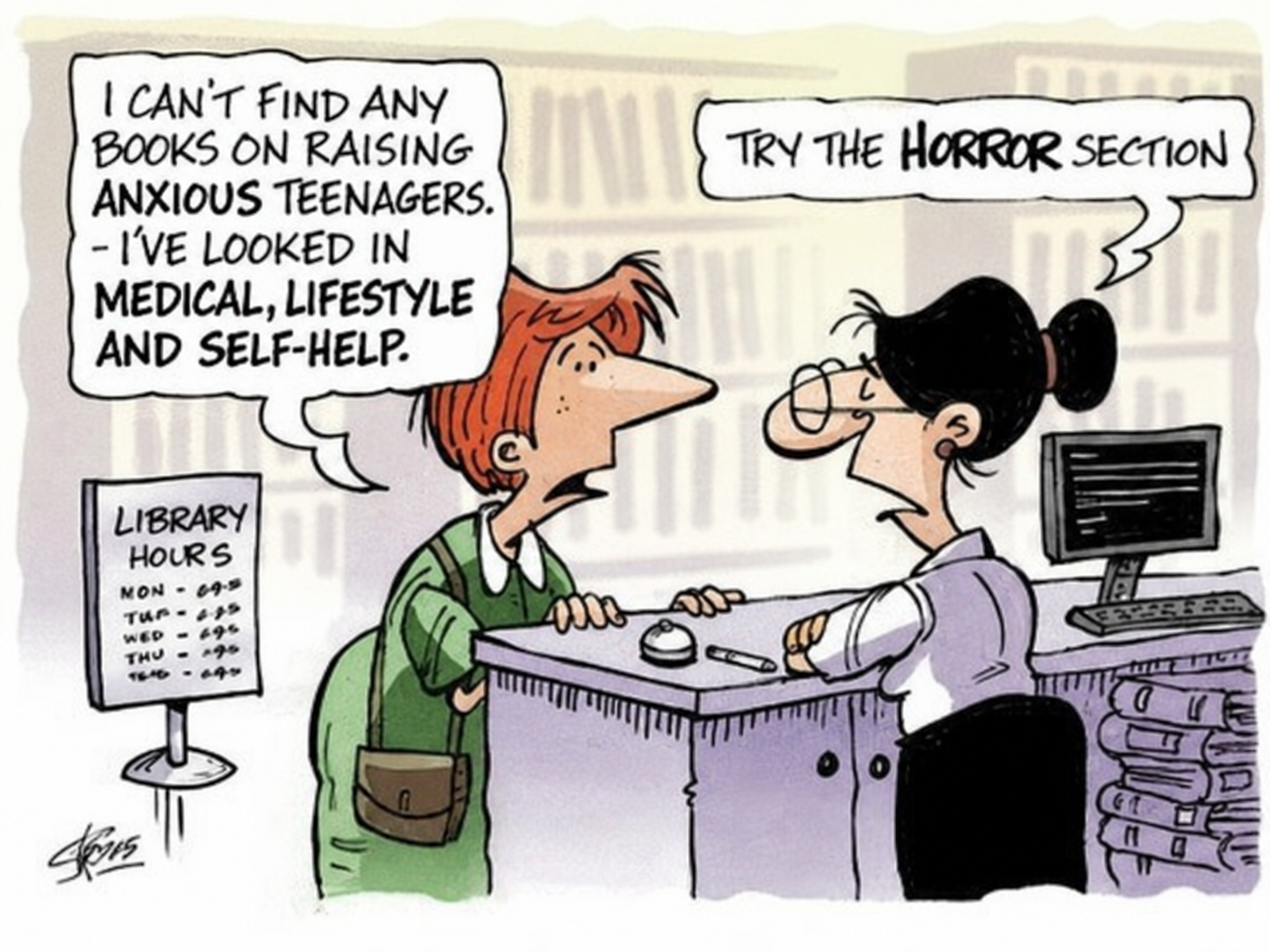
What does anxiety actually look like in a teenager?
Oxford describes anxiety as “a feeling of worry, nervousness or unease about something with an uncertain outcome.”
Which is accurate.
But it doesn’t quite cover barricading yourself in the bathroom at 7:43am because someone mentioned double maths.
Or the teenager who used to meet their friends every weekend but now barely leaves their bedroom.
Or the child who desperately wants to go to school, gets dressed, packs their bag and then completely falls apart at the front door.
Anxiety doesn’t always look like someone worrying.
Sometimes it looks like anger. Avoidance. Silence. Refusing to engage. Spending hours gaming. Sleeping all day. Or becoming increasingly dependent on the people and places where they feel safe.
And when school becomes part of that anxiety, it’s often called emotionally based school avoidance (EBSA).
But whatever name we give it, there’s still a young person underneath all of that behaviour.
And that’s the person I want to work with.
When your young person stops doing life, everyone suddenly becomes an expert.
School’s on the phone about attendance.
The SENCO has vanished into the Bermuda Triangle.
The attendance officer is knocking on the door.
Your mum thinks you need to be firmer. Your sister thinks you’re too soft. Someone’s suggested taking their phone away and “not giving them a choice.”
Meanwhile, you’re trying to get to work on time, keep the other kids vaguely functioning and somehow persuade a terrified teenager to put their shoes on.
Even the cat’s had enough.
You’ve heard nervous system, burnout, boundaries and deep breathing so many times you’re considering launching your phone through a window.
And when you finally get through to the GP — five-minute appointment — “Have they tried some breathing exercises?”
Brilliant. Cheers.
But here’s the question I want to ask.
While everyone’s discussing what school should be doing, what parents should be doing and what adjustments need to be made…
Who’s actually helping the young person understand what’s happening to them?
Who’s helping them recognise when anxiety is making their decisions?
Who’s helping them rebuild the confidence to try something that feels difficult?
And who’s reminding them that their anxiety doesn’t have to decide what the rest of their life looks like?
That’s where I come in.
Understanding anxiety is one thing. Learning to live alongside it is another.
Anxiety is a normal human response. We all experience it.
The difficulty comes when that response starts interfering with everyday life.
Avoiding something that makes us anxious can bring immediate relief. And sometimes avoiding a situation is necessary, particularly when an environment is genuinely unsafe or overwhelming.
But when avoidance becomes our only way of coping, our world can start getting smaller.
At WTAFL, I help young people begin to understand the difference.
Understanding anxiety
What’s happening in the brain and body, and why certain situations trigger powerful responses.
Recognising avoidance
Understanding how anxiety influences decisions and what can keep avoidance patterns going.
Emotional regulation
Developing practical ways to manage overwhelming feelings without expecting anxiety to disappear.
Confidence and independence
Rebuilding trust in their own ability to make decisions, try new things and cope with challenges.
School anxiety and EBSA
Exploring barriers to education and identifying realistic steps towards re-engagement where appropriate.
Neurodiversity
Recognising how ADHD, autism, sensory differences and executive functioning difficulties can affect anxiety and everyday life.
There isn’t one technique that works for every teenager.
And there certainly isn’t one reason why a young person might be struggling.
The aim isn’t to create a teenager who never feels anxious. It’s to help them feel more capable of navigating life when anxiety shows up.
The WTAFL 10-week teenage anxiety programme
Ten weeks. Small groups. Real conversations. Practical changes.
Not another online course where your teenager sits silently listening to somebody explain breathing techniques.
My 10-week programme brings young people together in small, supportive online groups to understand anxiety, build confidence and practise skills they can use in everyday life.
Sessions are interactive, but nobody is forced to speak, turn their camera on or share something they’re uncomfortable discussing.
I work with each young person towards their own goals, recognising that progress will look different for every one of them.
For one teenager, progress might mean speaking to somebody new.
For another, it might mean leaving the house independently.
For somebody experiencing emotionally based school avoidance, it might mean beginning to explore what returning to education could realistically look like.
The goal isn’t perfection. It’s progress that actually means something to them.
🏷️ Early booking discount applies — ask me for details when you get in touch
- 10-week online programme
- Small, supportive groups
- Practical anxiety and confidence-building activities
- Individual goals and achievable steps
- £250 per young person
- January 2027 start
Sometimes one-to-one support makes more sense.
Not every young person is ready to join a group.
Some need time to build trust. Some find social situations overwhelming. Others have very specific difficulties that need individual attention.
I also offer one-to-one anxiety and adolescent coaching, giving young people space to explore what’s happening without the pressure of a group environment.
And because anxiety doesn’t just affect the teenager, I also work with parents and carers who need practical guidance, a clearer understanding of their child’s difficulties and support navigating education.
What about school, the SENCO and the local authority?
I’m not going to pretend that every school gets it right.
They don’t.
But I’m also not going to tell you that every school is the enemy.
Having worked in mainstream education, specialist settings and with young people experiencing significant social, emotional and mental health difficulties, I’ve seen both sides.
I’ve seen schools make extraordinary efforts to support children.
And I’ve seen families left fighting for the most basic adjustments.
I understand attendance procedures, reasonable adjustments, Education, Health and Care Plans (EHCPs), emotionally based school avoidance and the difficulties families can face when a child cannot attend school.
Where appropriate, I can help parents understand the education system, prepare for meetings and communicate more effectively with schools and local authorities.
But WTAFL isn’t just about getting another meeting arranged or another plan written.
Adults can spend months discussing what they need to change. I also want to make sure the young person is receiving the support they need.
And sometimes both things need to happen together.
So, who am I?
I’m Lorraine, the person behind Working Through Anxiety for Life.
I’ve worked in the ambulance service, children’s services and education, including supporting young people with social, emotional and mental health needs, safeguarding concerns and significant school attendance difficulties.
I’ve sat in meetings with parents, SENCOs, senior leaders and local authorities.
I’ve worked with teenagers who haven’t attended school for months, young people who struggle to explain what they’re feeling and families who have reached the point where they simply don’t know what to try next.
And I’ve seen what happens when the focus is entirely on attendance figures and the young person behind them is forgotten.
I’m a neurodiversity and adolescent coach with a trauma-informed approach.
I’m not here to promise that ten weeks will magically fix everything.
I’m here to help young people understand themselves better, recognise what they can influence and start taking steps towards the life they want.
Because teenagers aren’t problems to fix.
They’re people who deserve to be heard, understood and given the tools to move forward.
Anxiety doesn’t have to make every decision.
If your teenager is struggling with anxiety, school avoidance, confidence or simply finding their place in the world, there are ways to begin moving forward.
It might start with a conversation.
It might start with one small goal.
It might start with your young person realising that somebody understands what they’re going through.
And that’s a perfectly good place to start.
What WTAFL is, and what it isn't
WTAFL provides non-clinical coaching and practical support. It does not replace medical care, psychological therapy or specialist mental health treatment.
WTAFL offers non-clinical anxiety, confidence and family support. It does not replace medical care, formal therapy, crisis intervention or emergency safeguarding services.
Read the full scope and safeguarding note